
IKEA textile on the chopping block
Is my go-to duvet cover causing a sea of trouble?

Those who know me well know that I have a historic love of IKEA. You might be thinking, sure, I like IKEA too! But no, this is different. To illustrate, I have multiple pieces of evidence to present the jury:
As a child, I saved my weekly allowance for years to buy my dream bed - the Svärta loft bed. It’s essentially a bunk bed without the underneath bunk. It was very impractical and I had maybe a foot of clearance betwen the matterss and ceiling, but I loved it.
A few years ago I went on a pilgrimage with my dear friend and ex-roommate KAIJA STRAUMANIS to Almhult, a small town in Sweden, which is the location of the original IKEA store. It has since been turned into a museum, and next door is an IKEA-themed hotel. Heaven! And I bought an IKEA-themed hoodie at the giftshop, which I cherish to this day.
When I get really sad and my husband has exhausted all other attempts to cheer me up, he’ll look at me with puppydog eyes and say, imploringly, “let’s go to IKEA?”
Now, IKEA is not without its downsides. They’re the fast-fashion of furniture sales, prioritizing price over quality. Combining the flimsy construction (partly because all we’ve got is an allen key to work with) and low perceived value with the immense demand for materials that are required to sustain the sales machine, IKEA furniture can cause some of the biggest waste of natural resources.
Does this extend to their textile manufacturing processes? I had to find out.
Hopeful headlines in tech
Inter / section
When visiting the IKEA museum in Almhult, they had an entire floor dedicated to describing their environmentally-friendly sourcing and manufacturing processes.
It’s clear that they desperately want to push the sustainability narrative.
Of course, this is difficult to do when you’re the largest consumer of wood globally – 21 million cubic meters per year, which works out to felling more than one tree per second. A study by a UK non-profit found that IKEA was selling furniture that was made of wood sourced from the protected forests in Ukraine’s Carpathian mountains. Ikea responded with a quote that they would strengthen their due-dilligence processes from their wood suppliers. But the response is a bit meh. In 2024, it was found that IKEA was benefiting from Romania’s corrupt lumber cartels, which allow them to clear-cut protected rainforests. A piece on Euronews dives into the topic thoroughly.
So wood – a bit iffy.
How about the textile?
According to their website, textile, after wood, is their most-used material. Not only in bedding, curtains, and towels, but also the furniture apholstery that adorns couches, armchairs, and more.
First, let’s start with what IKEA tells us (aka, what they want us to think):
All of their cotton is [more] sustainable - IKEA says that since 2015 all of their cotton has come from “more sustainable sources”, which means that it’s either recycled, or grown with less water, chemical fertilizer and pesticides. Together with WWF, they founded the “Better Cotton Initiative” to make global cotton production more sustainable.
They invest heavily into R&D for textile innovation - they have a team of textile scientists looking into how to make products out of different materials. For example, their team spent two years researching pigments and developing pigment “recipes” to create textiles that react to heat. Like an oven glove that changes colour when it touches something hot.
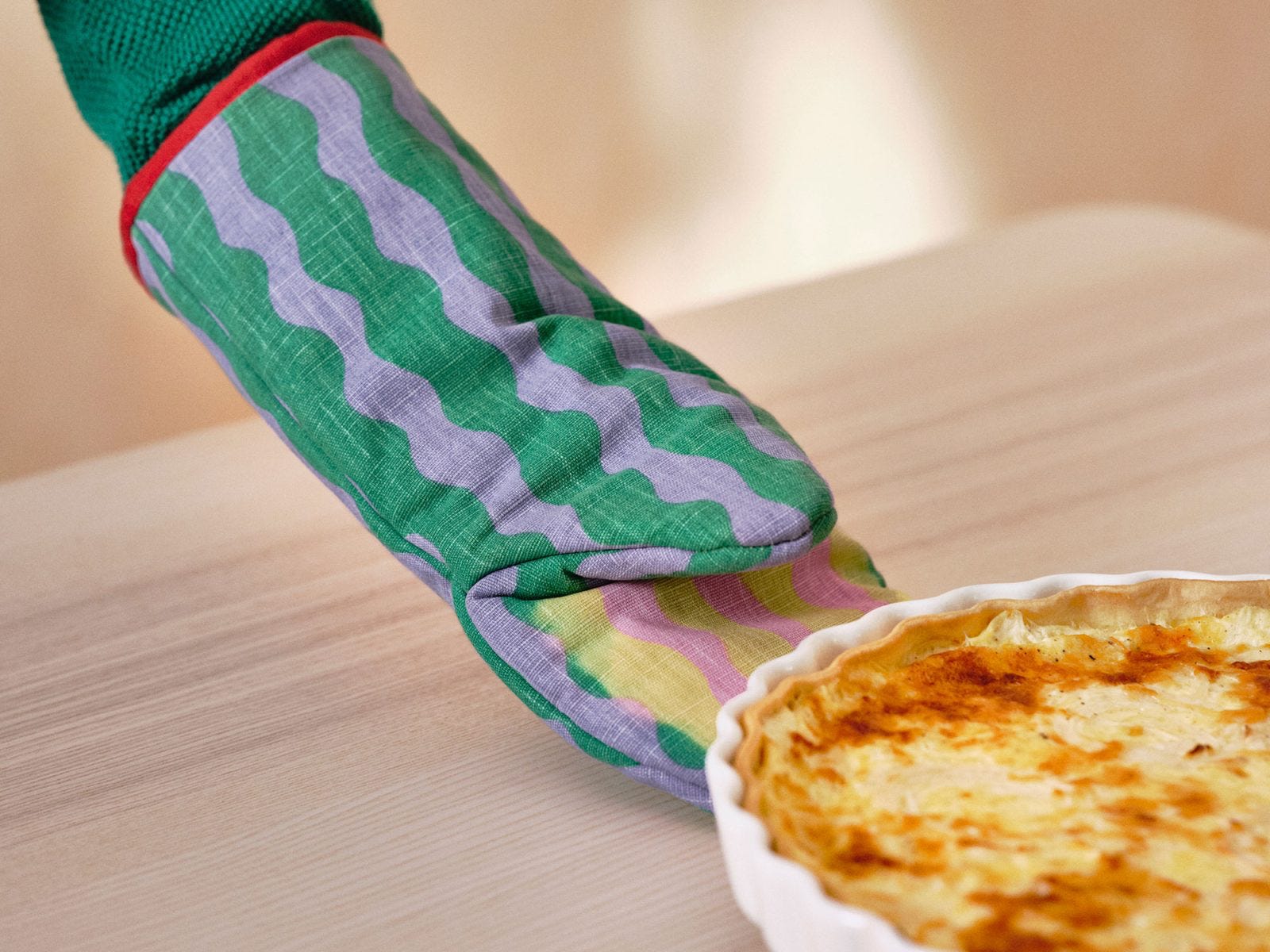
They’re also looking into potential applications of seaweed, like seaweed as a lampshade. Banana tree fibres, featured in this marketing video, make up this iconic IKEA stool.
They’re addressing polyester - polyester is a notoriously unsustainable fabric, made out of fossil fuels, which never biodegrades and contaminates our lives with microplastics. IKEA has said that it wants to eliminate virigin polyester in their products by 2030, and are already using recycled PET plastic bottles for 90% of their production, and have stated on their website that they’re focusing on recycling existing polyester textile. While this does produce less Co2, recent studies have found that recycled polyester sheds more microplastics, causing the industry to rethink the sustainability of recycling polyester. They’ve also launched the “MUSSELBLOMMA” collection, which is made using plastic taken out of the ocean.
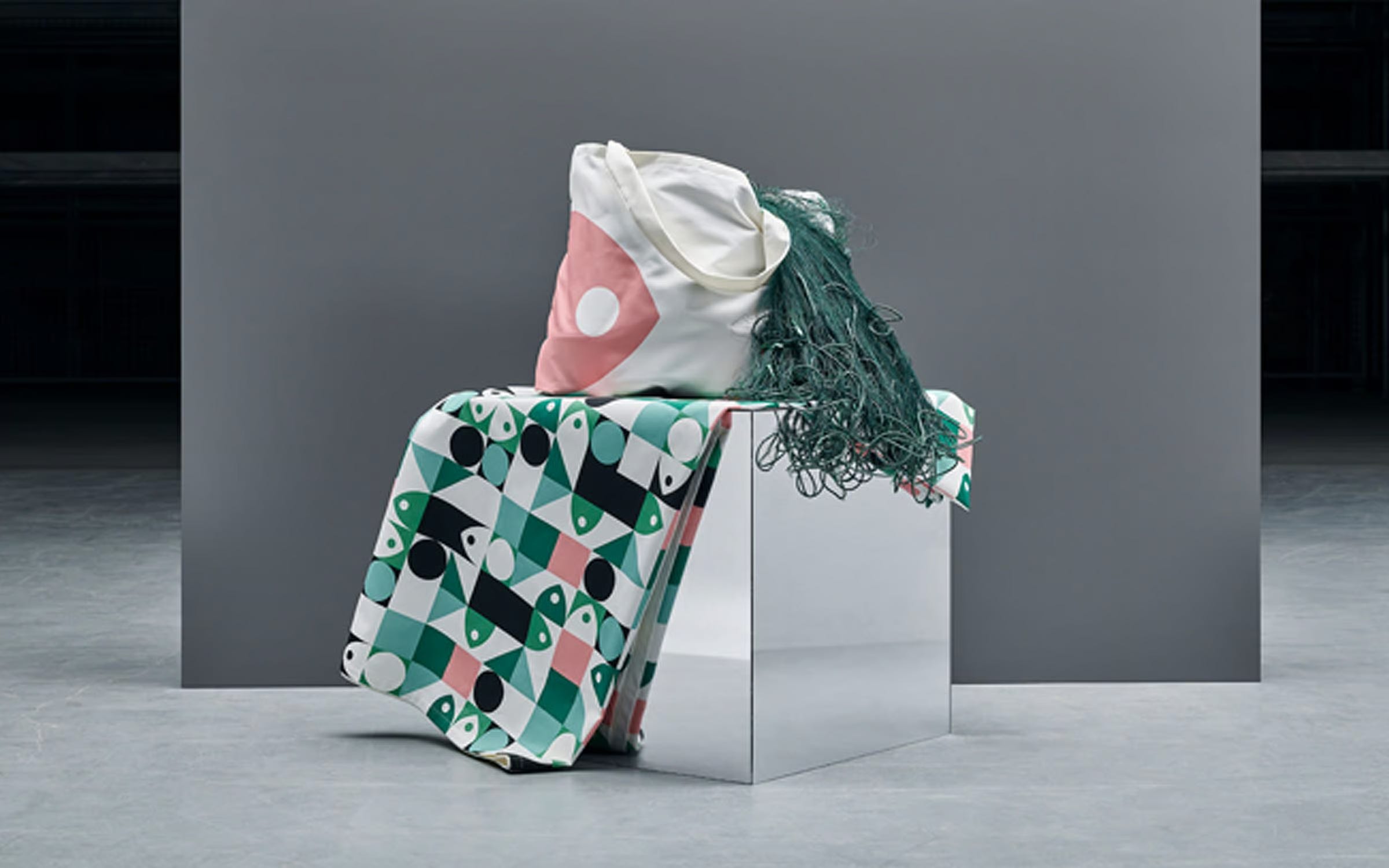
What IKEA doesn’t tell us:
Where their textiles are made. They say their products are predominantly made in China, Poland, Portugal, Italy, and Sweden. I took a look at my IKEA duvet cover (which, if memory serves me right, is marketed as a linen cover), and it says it’s made in Pakistan, and 100% cotton no less! Interestingly, it specifies 30% recylced cotton.
How their textiles are made - sustainability isn't just about where the raw materials come from, but indeed every step of the supply chain. And a big one is how those products are manufactued, and how those textile industry workers are treated.
I couldn't find information on their factories from IKEA sources, but when I went on a search for the Pakistani factory that made my duvet cover, I found that IKEA, along with other garment and home goods brands, was named in a report by Climate Rights International, which found that factory workers in Karachi, Pakistan, were forced to work in unbearable heat. All of the named brands (like Zara, H&M, ASOS, Gap, Mango, and others) had all also signed the International Accord for Worker Health and Safety in the Garment and Textile Industry, with the notable exception of IKEA. I don't know if that’s better or worse.
I'm starting to have second thoughts about my duvet cover now.
IKEA textile innovations
When it comes down to the actual innovating, it looks like it’s mostly done in the Almhult location in Sweden. The same place they developed the aforementioned heat-reactive pigments and seaweed furniture.
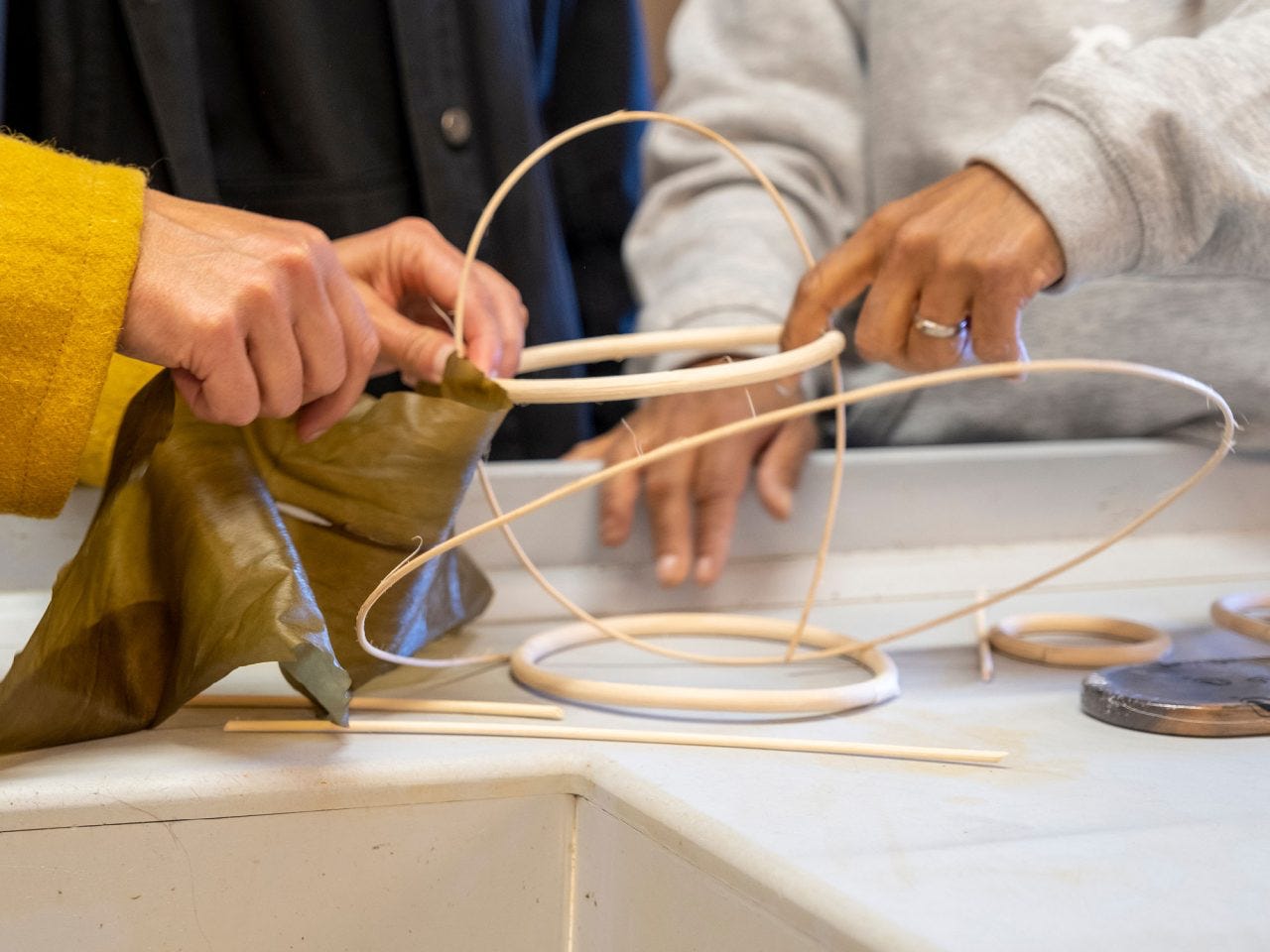
It's also not far from their “TreeToTextile” plant, which is in collaboration with H&M and others, to try to find out a way to turn…trees into textile. Now, this actually doesn't sound that innovative, because it’s already done. Viscose is a fabric that’s made out of wood (that’s why it gets so thick and stiff when it’s wet…it’s like a water-logged tree). Their claims - to find a “better way” to make textile out of trees, which has less of an impact on the environment. I might refer you back to the beginning of this article, which states the “issues” they’ve had with sourcing wood ethically.
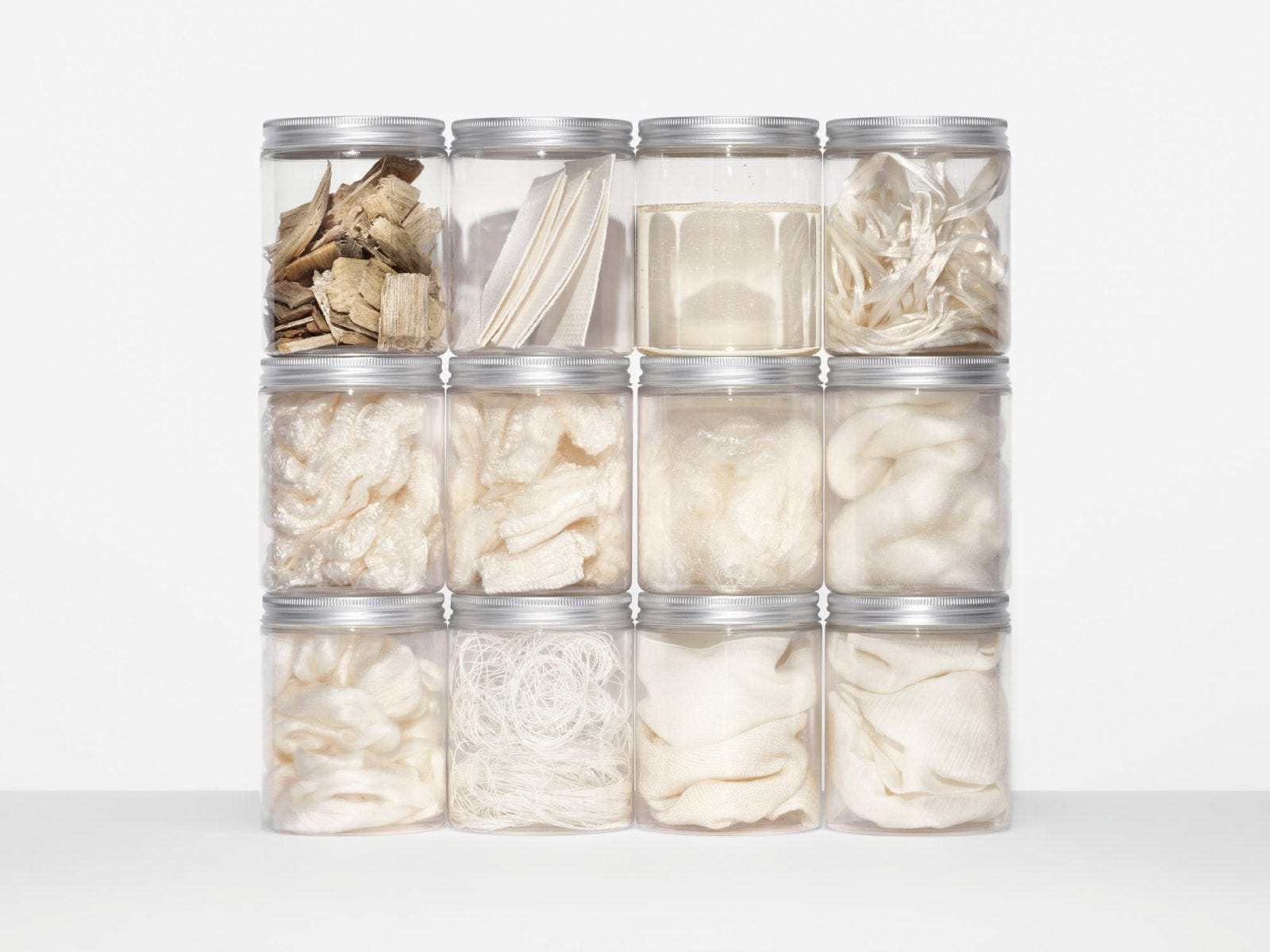
The idea behind this better way to turn trees into textile was developed by engineer Lars Stigsson, who believed that it was still possible to soften trees without using carbon disulphide, which is very toxic and used in making viscose. This process is what is being developed in the TreeToTextile plant.
IKEA VC
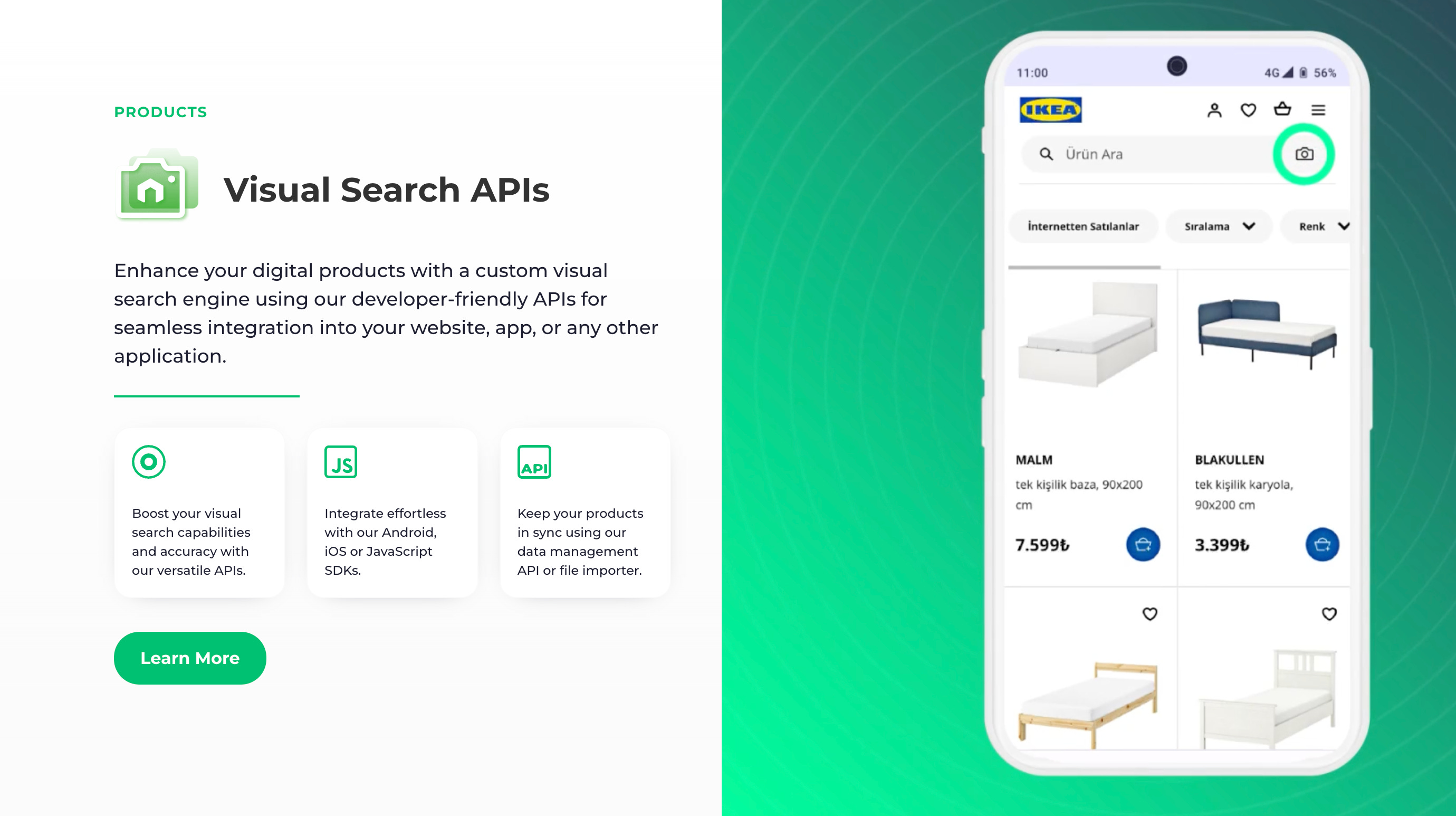
IKEA has a venture capital arm, which invests in innovations that they believe can support IKEA’s future business goals. Their portfolio is quite extensive, and includes the TreeToTextile plant mentioned above. Other notable investments include:
Colorfix - engineered microorganisms to create more sustainable dyes through fermentation
Nyris - AI-powered search engine based on visuals (integrated into IKEA’s app search bar)
New School Foods - a Toronto-based startup making plant-based seafood alternatives
So what are my conclusions with all of this?
The jury’s out. It looks like IKEA is trying to do good, but when faced with the realities of mass consumption, trying isn't enough. The more sustainable option will always be to reuse, repair, thrift secondhand, and not buy more – which is the antithesis of any business by definition. I will still enjoy walking through the showroom, and a plate of veggie “meat” balls.
Media of the week
I recently listened to a podcast episode on being multi-passionate, by the Textile Creative ( Virginia Wygal). It essentially looks at the problem of having too many interests, and identifying if you’re actually serious about them, or simply a chronic new-hobby-starter.
She was looking at it from a textile perspective, but I think the message (and her tips!) could be applied to anyone who has multiple interests and is struggling to prioritize them. I see that this could be applied not only to creatives, but also to people who have, say, too many business ideas. Or academics with too many research ideas. Or writers with too many stories on the go. Or students with too many potential career paths.
Either way, I would recommend giving it a listen.
Project of the week
It's officially done - the shawl has been removed from the loom!
After a week of “letting the fabric rest” (something I didn't know had to be done - turns out that on the loom, the fabric is stretched taut, and needs time to settle into its final form), and another week of winding tassles on the evening, the shawl was finally ready to be taken out for a spin.


Am I already planning the next one? Yes. Will it be very colourful? Double yes.
I've also come to the realization that my life’s mission will be to search for the answer to the question of “how many shawls does one person need?”.
Until next week,
Julia
No wonder there's a saying: "Don't meet your heroes" 🫠 seems like your IKEA dream got nightmare vibes.
And the shawl - it 👏🏻 looks 👏🏻 so 👏🏻 good !!! Can't wait to see the next one!
LOVE the shawl, DON'T love the IKEA truths 😫